
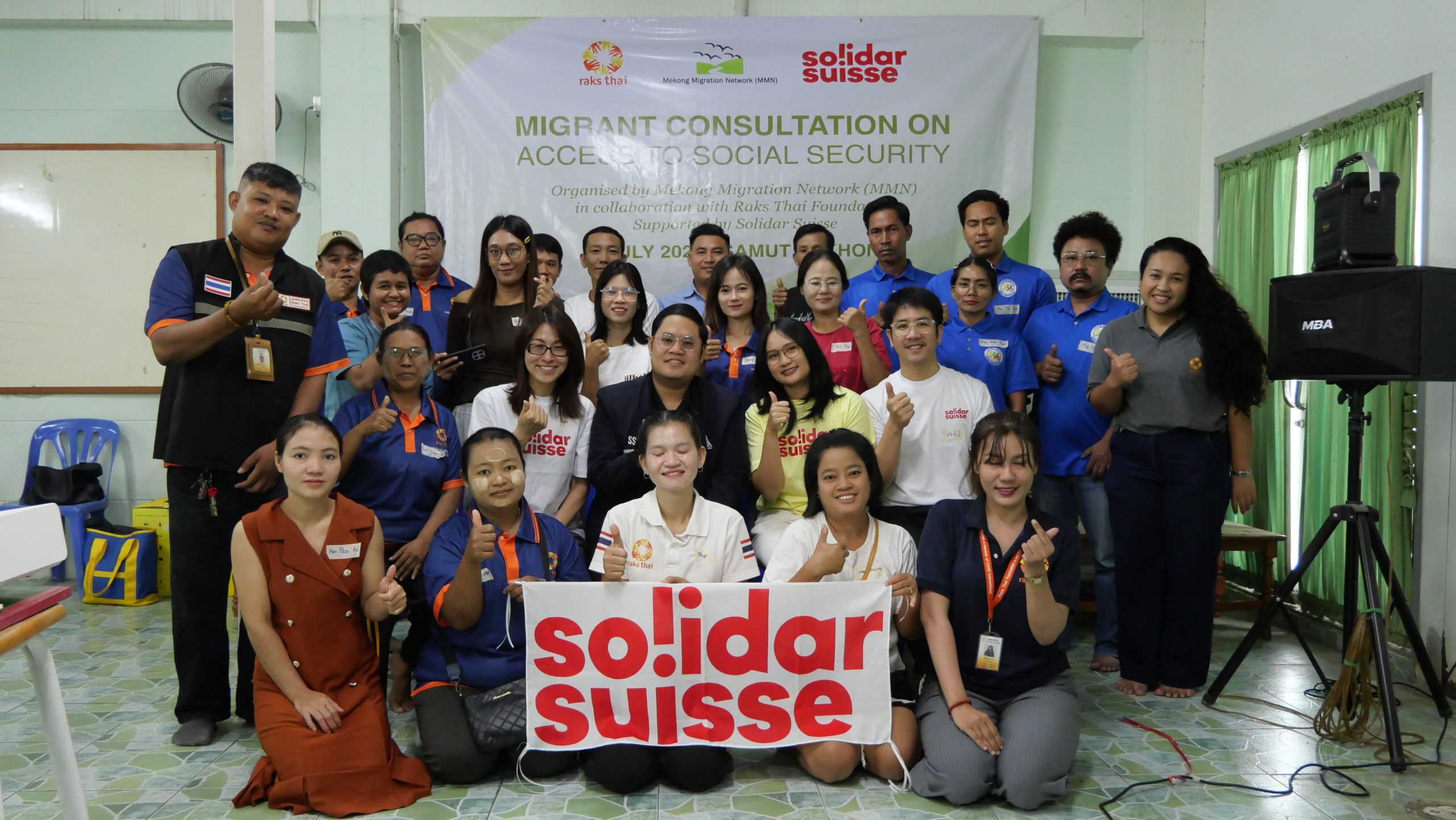
On 5 July 2026, the Mekong Migration Network (MMN), in collaboration with the Raks Thai Foundation and with support from Solidar Suisse, organised a migrant worker consultation on access to Thailand’s Social Security System (SSS) at Kampha Sub-district Health Promotion Hospital, Mueang Samut Sakhon District, Samut Sakhon, Thailand. As one of Thailand’s major destinations for migrant workers, Samut Sakhon provided an important setting for discussions on access to social security. The consultation aimed to strengthen participants’ understanding of the SSS, document the challenges migrant workers encounter in accessing benefits and services, and provide an opportunity for workers to engage directly with a representative from the Social Security Office.
The consultation brought together 20 migrant workers, comprising 10 women and 10 men. Participants included eight workers employed in seafood processing, four in industrial manufacturing, three in food processing, and one in construction. Four participants were also volunteers with community-based organisations. Half of the participants were currently enrolled in Thailand’s SSS. Most participants working in industrial manufacturing were covered by the system. In contrast, many women employed in the seafood and food processing sectors reported that they were not enrolled or no longer had active social security coverage.
Morning Session: Migrant-Led Brainstorming and Group Discussions
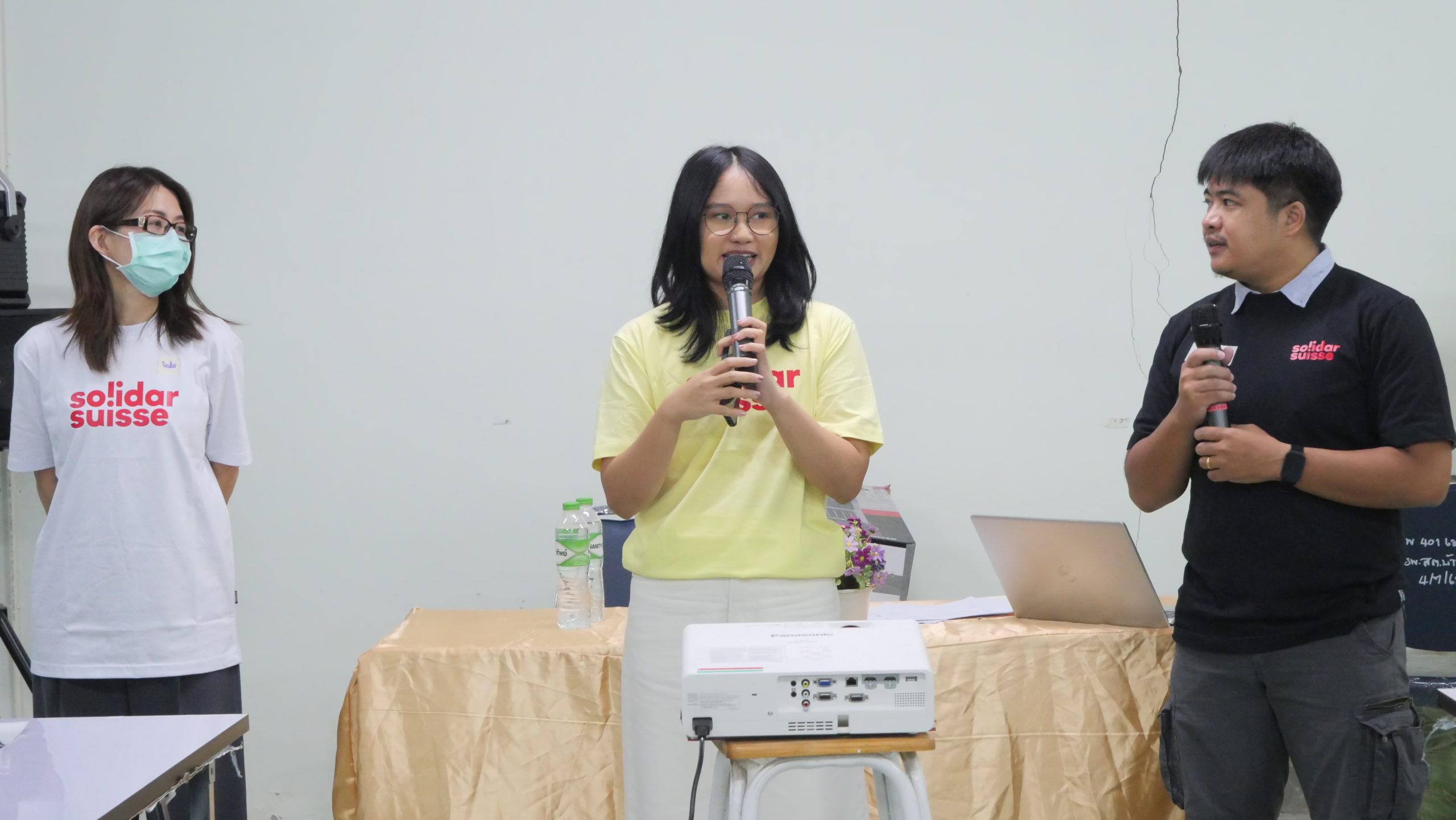
The morning session was facilitated in Burmese by Brang Aung Ja, MMN Advocacy and Communication Officer, and Thaung Naing, a Field Officer from the Raks Thai Foundation. Following opening remarks and introductions by representatives from MMN, Raks Thai Foundation, Solidar Suisse, and the Social Security Office Area 7, Bangkok, the facilitators introduced the objectives of the consultation. Ms. Reiko Harima, MMN Regional Coordinator, highlighted the importance of social security in protecting migrant workers and supporting the well-being of their families.
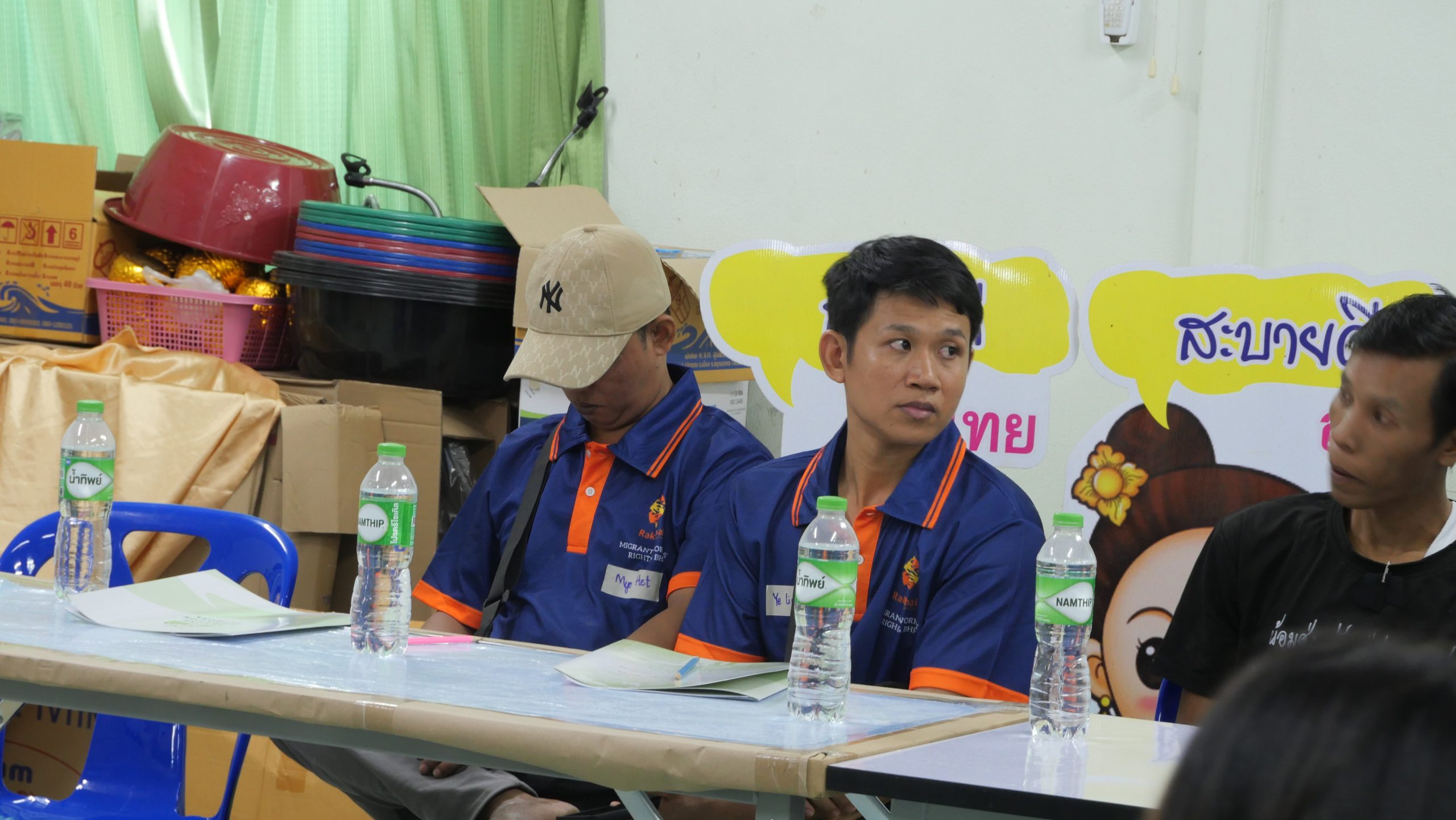
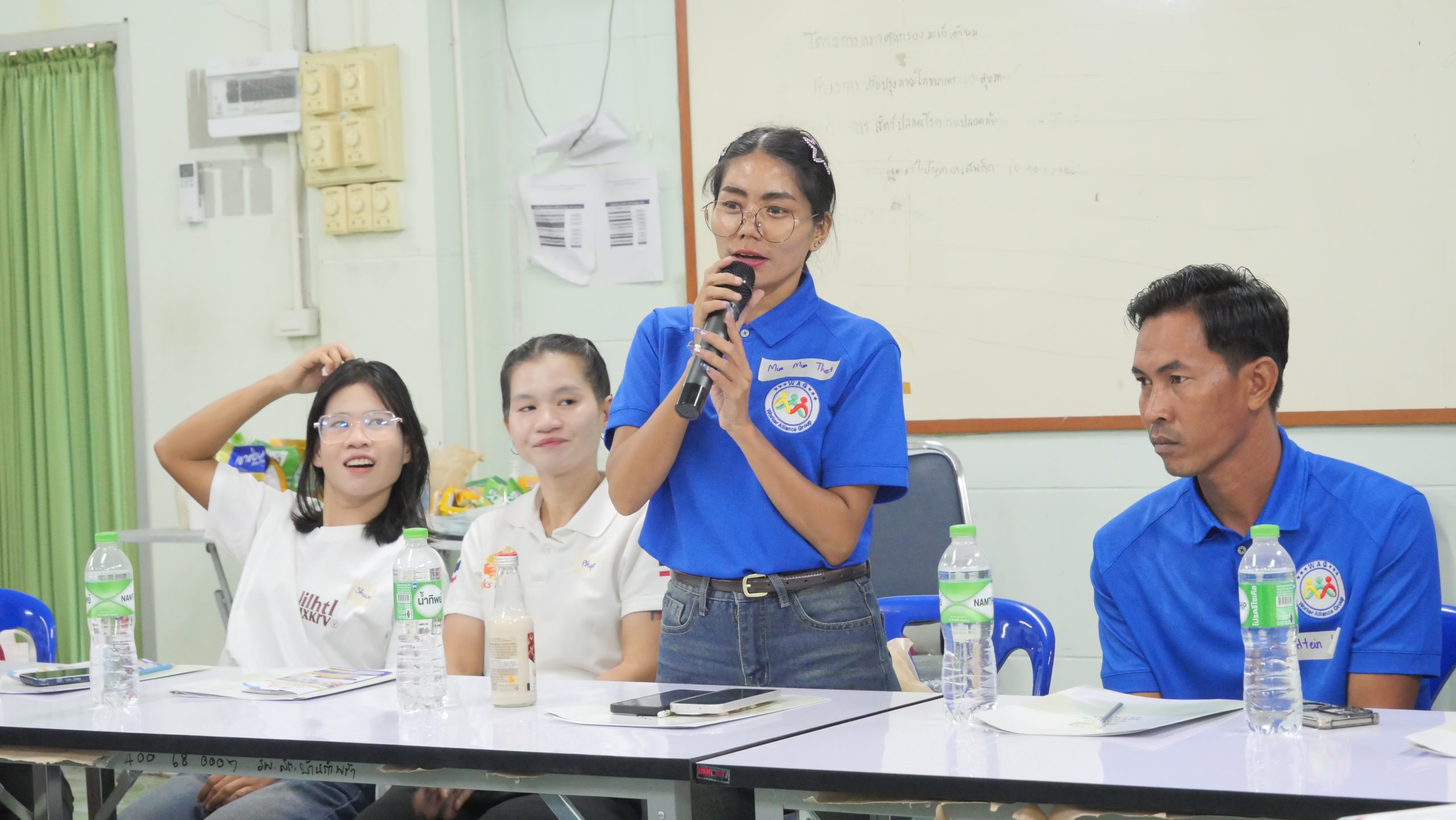
Participants then engaged in a plenary discussion to share how migrant workers obtain information about the SSS and to discuss their experiences in accessing benefits and services. Many participants noted that they had little or no knowledge of social security when they first arrived in Thailand. Information was often obtained through civil society organisations, social media, co-workers, workplace supervisors, or informal networks rather than through official channels. Participants observed that information issued by government agencies does not always reach migrant workers due to language barriers and the limited role of employers in providing information.
Workers also shared experiences of employers deducting social security contributions from their wages without completing registration or remitting contributions to the Social Security Office. As a result, some workers only discovered that they were not registered when seeking medical treatment and were required to pay healthcare costs themselves. Participants also reported difficulties in resolving such cases through existing complaint mechanisms.
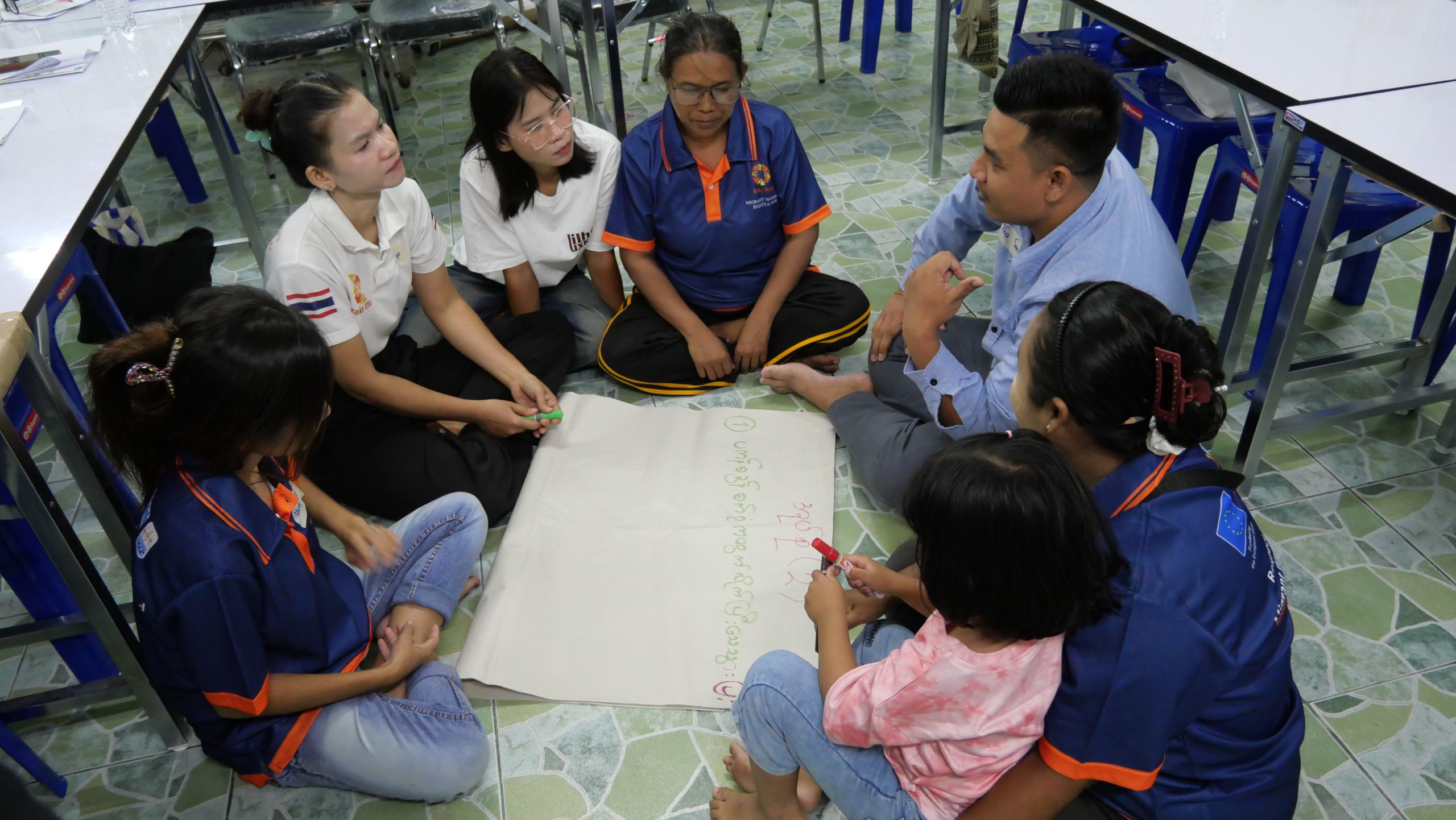
Following the plenary discussion, participants divided into three breakout groups based on their social security status: workers currently enrolled in the SSS, workers who had previously been enrolled but were no longer covered, and workers who had never been enrolled. Representatives from MMN and the Raks Thai Foundation facilitated the group discussions.
During the report-back session, participants identified a number of common challenges. These included non-registration by employers despite deductions from workers’ wages; difficulties faced by workers in small enterprises, where employers may lack awareness of registration procedures or fail to enrol workers due to administrative and financial burdens; requests for advance payments by hospitals even when workers held valid social security coverage; and discrepancies in personal information across passports, Certificates of Identity, and work permits, which sometimes created obstacles when accessing healthcare services.
The discussion also highlighted difficulties faced by workers and family members in claiming benefits. Participants shared that family members travelling from Myanmar to claim compensation following the death of a worker often encountered challenges related to banking procedures and documentation requirements. Workers who had returned to Myanmar also reported difficulties in accessing pensions and other benefits because of unclear procedures and the need to communicate with multiple agencies in both Thailand and Myanmar.
Participants further discussed challenges related to maintaining social security coverage during periods of unemployment or job transition. Some workers reported losing coverage following business closures, workforce reductions, pregnancy, or the physical demands of work. Concerns were also raised regarding access to maternity leave and child allowance, particularly where only one parent was insured under the SSS. Based on these discussions, participants proposed several recommendations. These included strengthening monitoring to ensure that employers register workers and remit contributions regularly; allowing migrant workers to maintain social security coverage during periods between jobs; simplifying procedures for family members claiming compensation from Myanmar; and improving the provision of official information in Burmese and ethnic languages. Participants also suggested greater coordination between social security registration and work permit processes to reduce gaps in coverage.
Afternoon Session: Dialogue with the Social Security Office
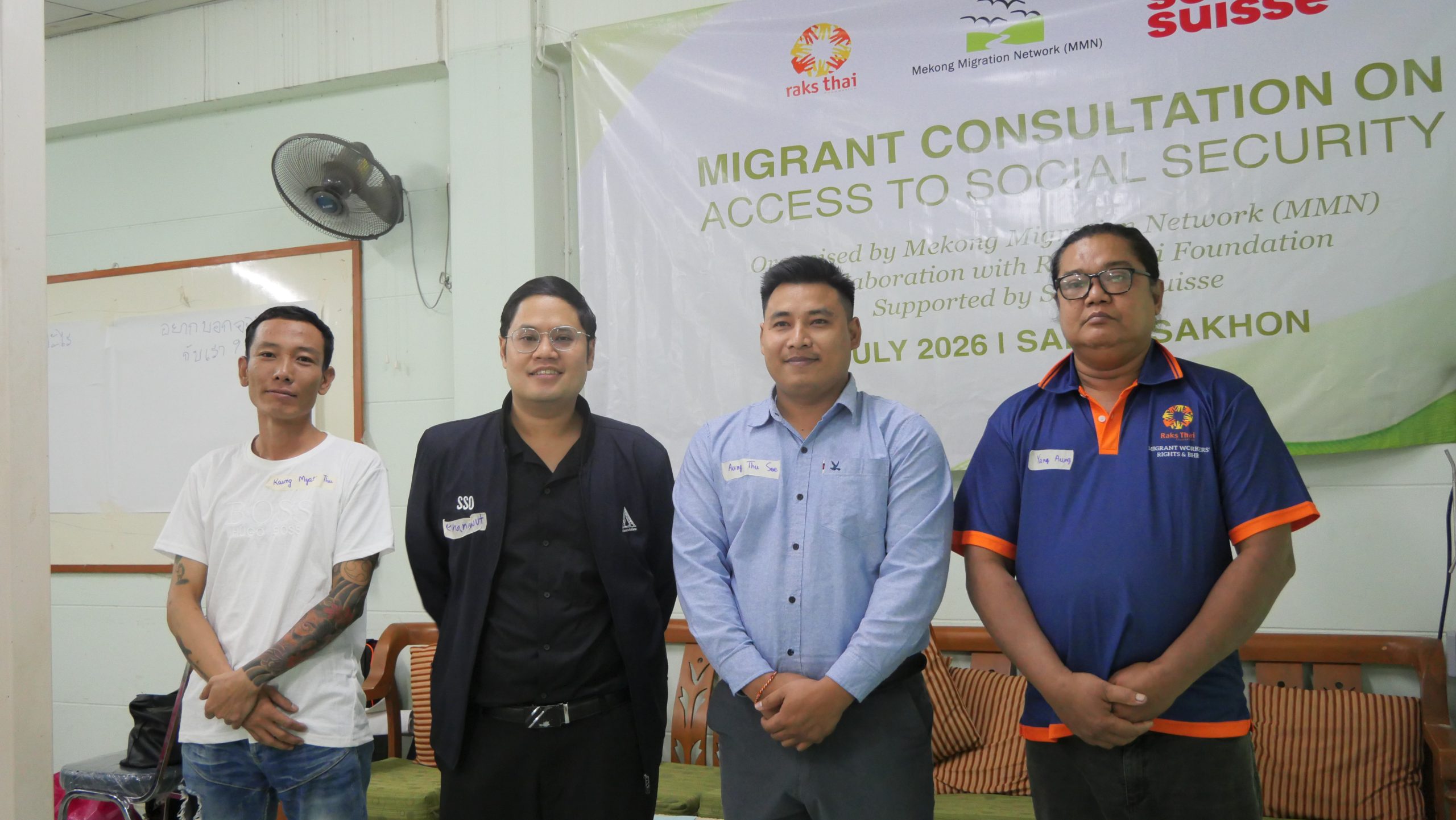
During the afternoon session, two migrant worker representatives presented the challenges and recommendations identified during the morning discussion to Mr. Kanawut Eamsam-ang, Labour Specialist, Practitioner Level, from the Social Security Office Area 7, Bangkok. The presentation provided an opportunity for participants to raise concerns directly with the Social Security Office and seek clarification on issues they had experienced in accessing social security benefits and services.
Following the workers’ presentation, Mr. Kanawut responded to the issues raised and provided an overview of worker eligibility and the structure of Thailand’s SSS. He explained that, except for agriculture, forestry, fishing (boat workers), and domestic work, registered employers in the formal sector are legally required to register their employees with the SSS within 30 days of employment. He also explained that migrant workers employed in formal enterprises, including those recruited through both MOU and non-MOU channels, are required to be enrolled as insured persons under Section 33 of the Social Security Act.
The session then covered contribution requirements, registration procedures, and common administrative issues. Participants learned that workers insured under Section 33 contribute five per cent of their wages to the Social Security Fund (SSF), with employers making an equal contribution. Mr. Kanawut noted that inconsistencies in personal information recorded across passports, work permits, pink cards, and other
identity documents can cause delays in the registration process.
Mr. Kanawut also explained the benefits available under Section 33, which provides coverage for seven statutory benefits: sickness or injury, maternity, disability, death, child allowance, old-age pension, and unemployment. He explained that newly registered workers are entitled to medical treatment for non-work-related illnesses after making contributions for three months, while eligibility for other benefits is subject to the applicable contribution requirements.1
As for healthcare benefits and protection in cases of work-related injury, participants were informed that specialised treatments, including kidney dialysis and eye surgery, are covered under the SSS. Regarding dental benefits, starting from 1 November 2026, insured workers will be able to receive dental treatment without an annual limit at public hospitals, while treatment at private clinics will remain subject to the reimbursement ceiling of THB 900 per year.
Mr. Kanawut also explained the procedures for seeking emergency medical treatment outside a worker’s registered province, including the requirement to submit original receipts and medical certificates to the Social Security Office within 72 hours. He further explained that occupational injuries and deaths are covered separately under the Workmen’s Compensation Fund (WCF). Where medical expenses exceed the initial coverage limit of THB 65,000, employers are responsible for paying the remaining costs before seeking reimbursement from the relevant fund.
Interactive Q&A Session
Throughout the presentation, participants raised several practical issues based on their experiences accessing social security benefits.
Several participants shared experiences of being required to pay medical expenses in advance after workplace accidents despite contributing to the SSF. Others questioned why some families encountered difficulties in accessing compensation following the death of a worker. In response, the Social Security Office clarified that occupational injuries and deaths are covered under the WCF rather than the SSF. The representative explained the reimbursement procedures for medical expenses, the responsibilities of employers where treatment costs exceed the prescribed limit, and the documentation required for families claiming death compensation. The representative also clarified that death compensation is paid in instalments in accordance with Thai law.
Participants also raised concerns about maternity services, noting that some migrant women were asked to pay hospital deposits before giving birth despite holding valid Social Security cards. The Social Security Office acknowledged that insured migrant workers had encountered such cases and stated that it would continue coordinating with relevant authorities to address these issues.
Questions were also raised about the difficulties experienced by family members travelling from Myanmar to claim compensation following the death of a relative in Thailand. Participants described challenges related to banking procedures and the inability to cash compensation cheques. The representative explained that claimants are required to submit the necessary supporting documents and that banking procedures are subject to existing financial regulations.
The discussion also covered eligibility for child allowance where only one parent is insured under the SSS. The representative explained the documentation required to establish the relationship between the insured parent and the child, including the translation of foreign documents into Thai where applicable, before benefits can be approved.
Concluding Remarks
The consultation concluded with a reflection session facilitated by Mr. Artid Pabun, MMN Research and Advocacy Officer. Participating workers and the representative from the Social Security Office were invited to write down their feedback on the consultation.
Most participants commented that the consultation was useful in improving their understanding of Thailand’s SSS and the benefits available under the SSF. They also appreciated the opportunity to raise questions directly with the Social Security Office and receive clarification on issues related to registration, healthcare services, and benefit entitlements. The representative from the Social Security Office welcomed the discussion and acknowledged the concerns raised by participants, noting that the feedback would be useful for improving communication and coordination with migrant workers.
1Under Section 33 of Thailand’s Social Security Act B.E. 2533 (1990), insured workers are entitled to seven categories of benefits: sickness or injury, maternity, disability, death, child allowance, old-age pension, and unemployment.
 |
 |
 |
 |
 |
 |